// open-source & research · istanbul, tr

Projects — Proof by Construction

The public record: from-scratch machine learning, federated learning, and a connectomics flagship that ties biology to the swarm thesis. I build line by line so I can see inside every model — and then I share the code.

// the flagship

The project that started the thesis.

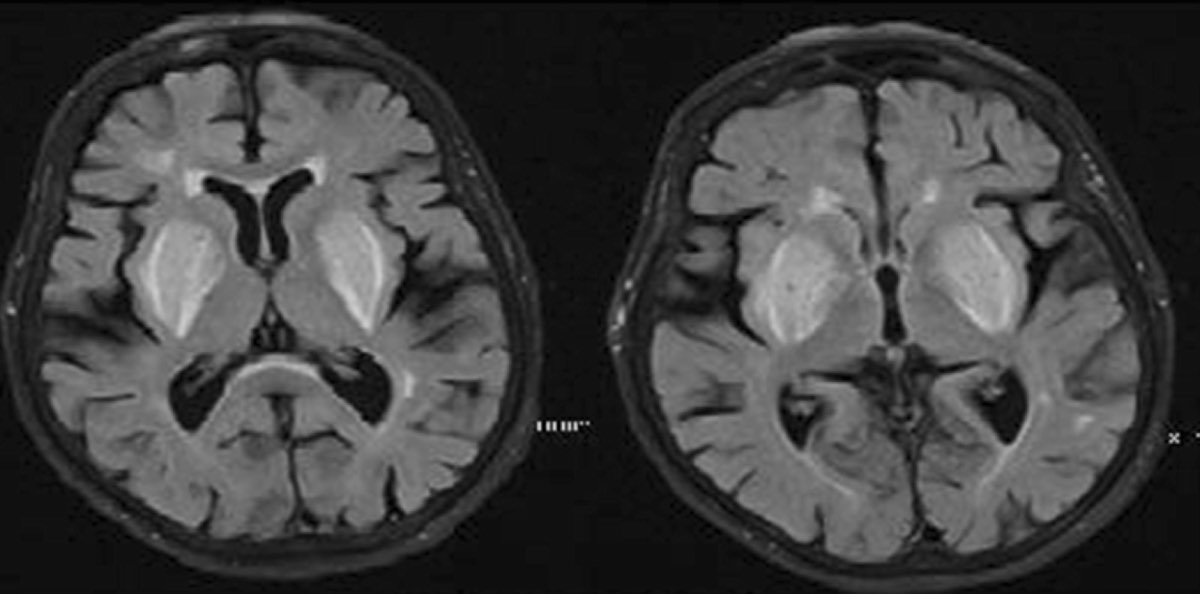
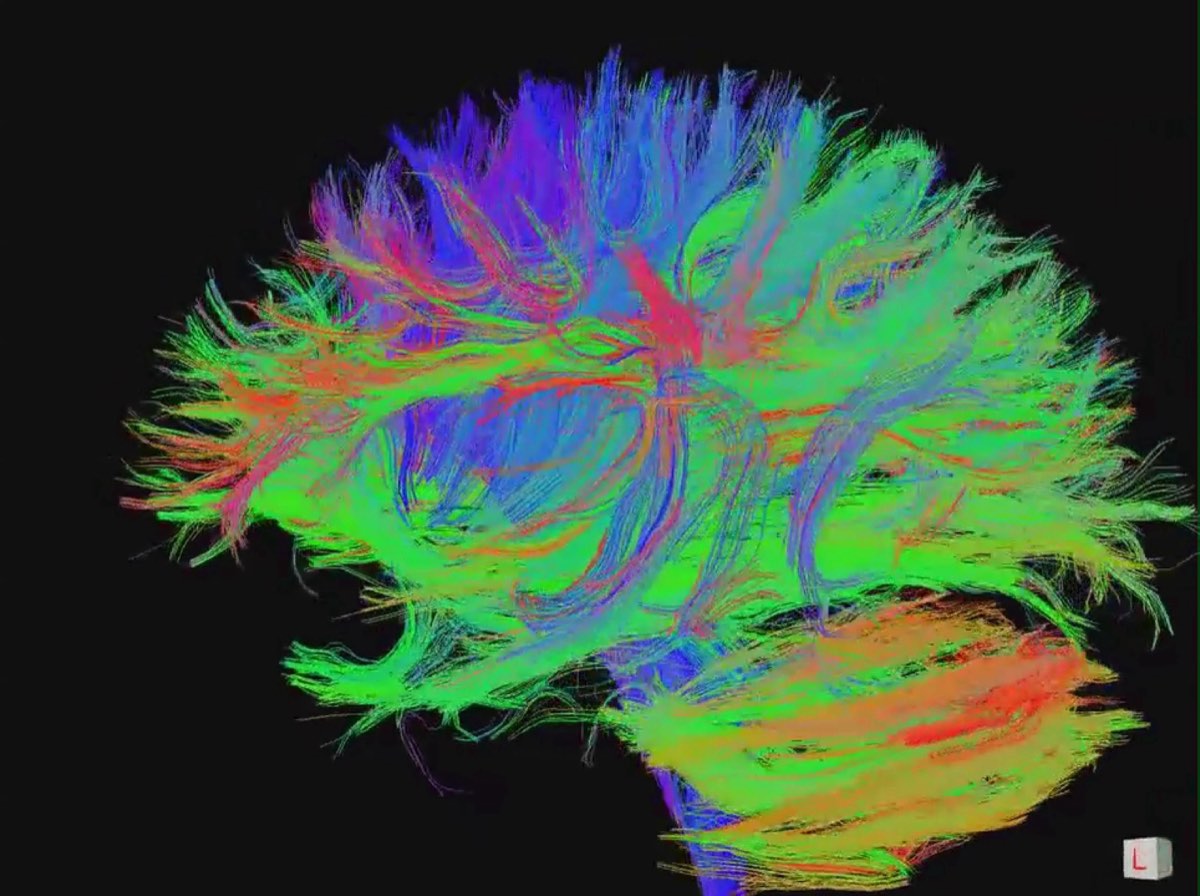
Brain connectivity matrix super-resolution — neural wiring graph
P1 · flagship flagship — bio + AI + swarms

Brain Connectivity Matrix Super-Resolution

Recovering high-resolution brain wiring graphs from coarse connectomes — super-resolution for neuroscience.

Builds models that predict dense, precise neural-connectivity matrices from sparse, low-resolution observations; released the matrices as a public CC0 Kaggle dataset (289 downloads) so the community can build on them.

python · jupyter · connectivity-matrix models

This is the seed of everything on this site — "I study intelligence from molecules to neurons to multi-agent systems." The connectomics-to-swarms bridge lives here.


// the lab

The from-scratch library & applied work.

Federated learning across distributed nodes
P2

Federated Learning with Logistic Regression

Private, distributed learning — training across data silos without moving the data.

A federated-learning implementation with a logistic-regression classifier: the on-ramp from classic ML to privacy-preserving, distributed training.

jupyter · federated pattern · logistic regression

The bridge in the "from-scratch → federated → agents" arc — coordination across nodes, a mild echo of multi-agent coordination.

Ridge, Lasso and ElasticNet regression written from scratch
P3

Ridge · Lasso · ElasticNet — From Scratch

Regularized linear models written line-by-line from first principles.

From-scratch implementations of Ridge, Lasso and ElasticNet regression — no libraries for the core math.

python · jupyter · numpy-level math

The credibility anchor. I build ML from scratch to see inside every model — the authority-by-construction positioning.

Gradient descent versus stochastic gradient descent
P4

Gradient Descent vs SGD — From Scratch

The optimizer battle, implemented by hand for linear regression.

Side-by-side from-scratch gradient-descent vs stochastic-gradient-descent implementations, showing the bias/variance computation trade-off.

python · jupyter

Optimization is the micro-mechanism of learning — and pairs with my work on training dynamics and evaluation.

Binary Bayes classifier — probabilistic decision boundaries
P5

Binary Bayes Classifier — From Scratch

A probabilistic classifier built from the fundamentals of Bayesian inference.

Binary Bayes classifier written from scratch — no off-the-shelf estimation.

python · jupyter

A direct link to my applied-mathematics foundation; rounds out the "from first principles" set.

Traveling Salesman Problem solved with a genetic algorithm
P6

TSP with a Genetic Algorithm

Combinatorial optimization via evolutionary search.

Solves the Traveling Salesman Problem using a genetic algorithm — the earliest public hint of population-based, emergent problem solving.

python

A tidy narrative hook: I was doing population-based, emergent search before I was doing swarms. Honestly told.

Bank customer churn prediction in production data science
P7

Bank Customer Churn Prediction

Applied predictive modeling on a real business problem.

Customer-churn prediction on banking data — representative of my commercial data-science work at Vodafone and Majorel.

jupyter · scikit-learn stack

Proof of the "notebook → service" production mindset — the same instinct behind shipping agents, not demos.

Morgan algorithm for unique atom numbering in molecules
P8

Morgan Algorithm — Unique Atom Numbering

Graph-theoretic canonical numbering of atoms in molecules.

Implements the Morgan unique-atom-numbering algorithm for molecular graphs — chemistry + graph theory + code.

python

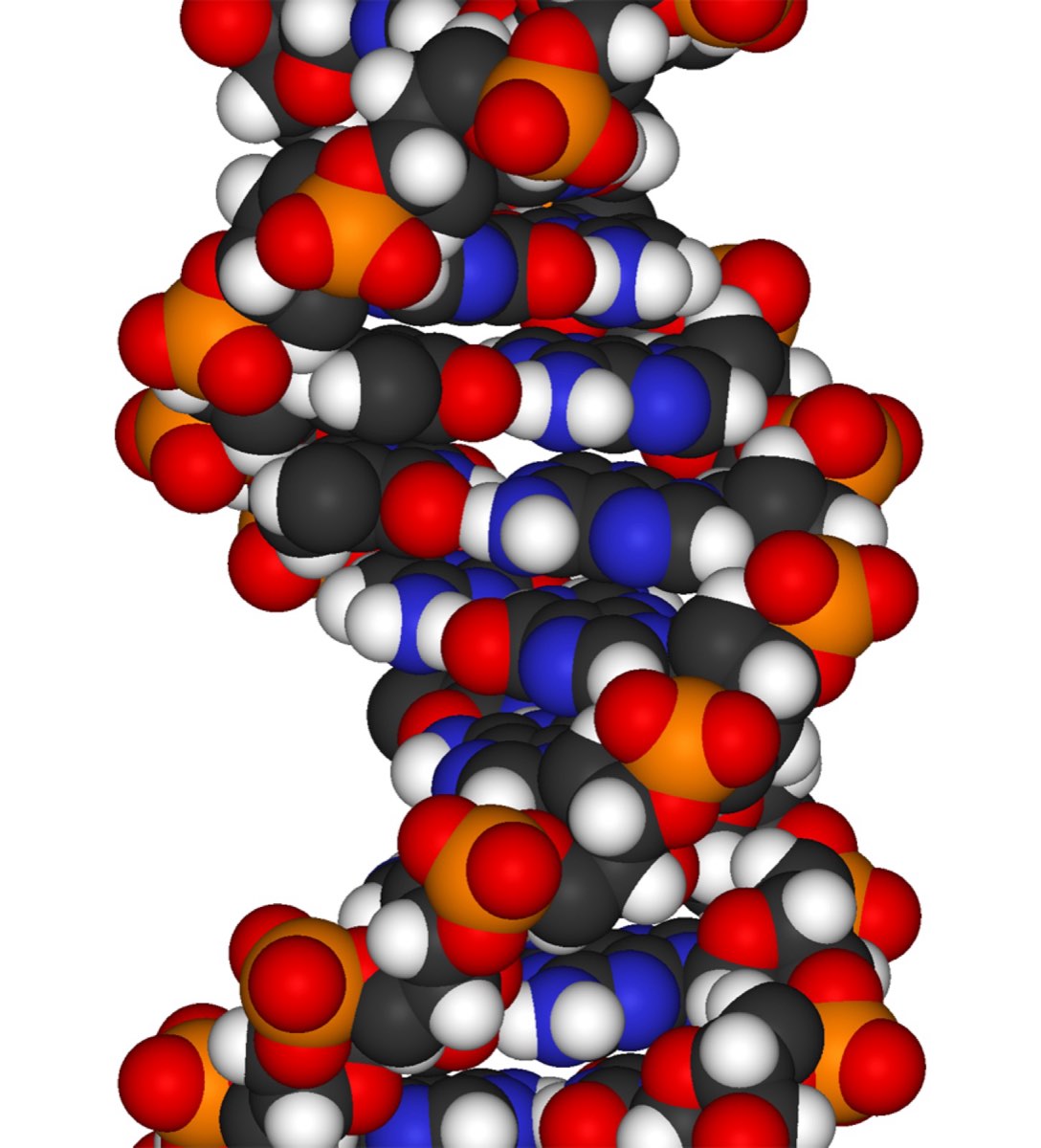
Bridges my bio/molecular past into code — the same "molecules to systems" through-line I follow to this day.

Every one of these was built from the inside out — I trust a model only when I can see inside it. That discipline is what I bring to agent systems: orchestration, tool use, memory, and evaluation, all built on the same implementation depth.